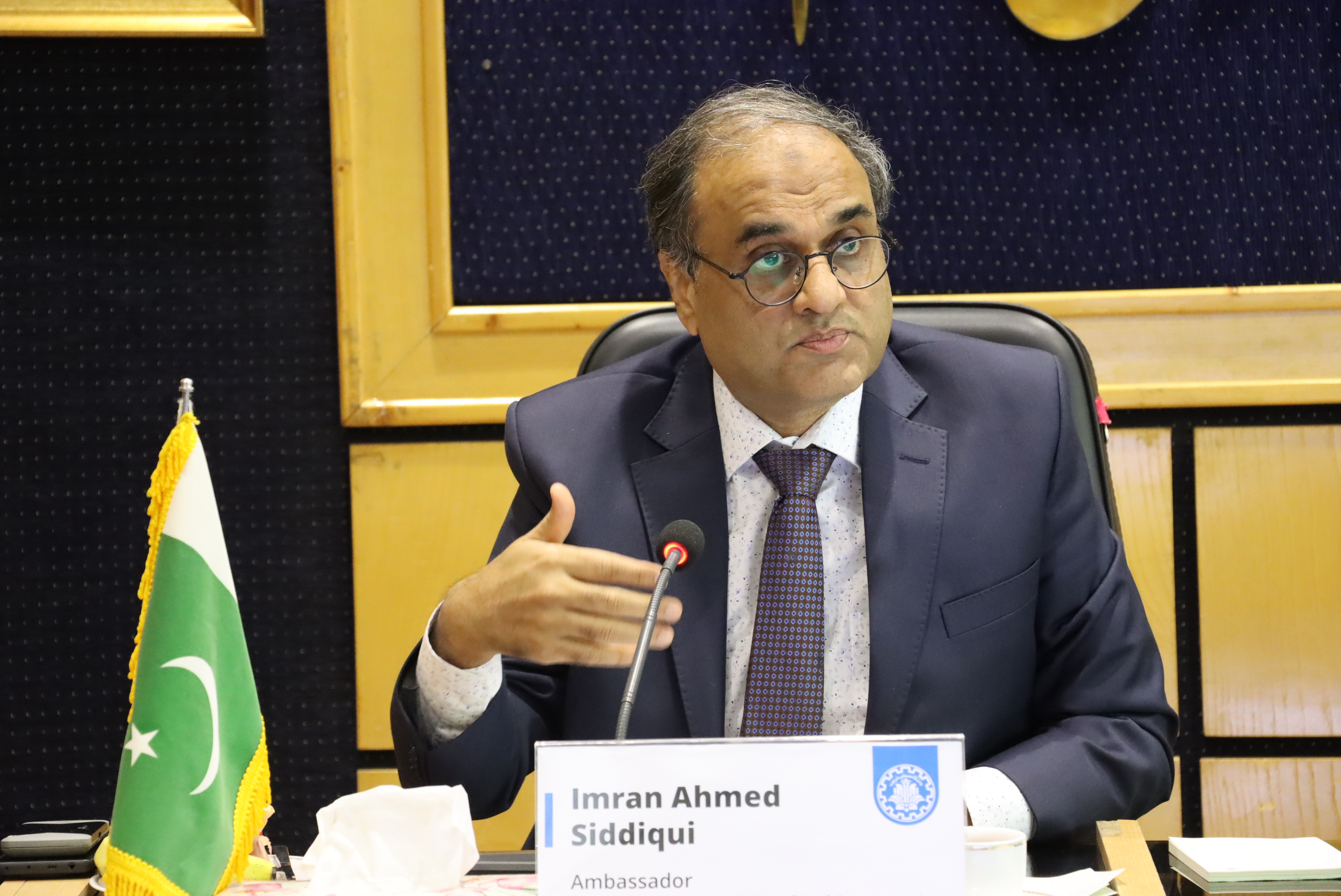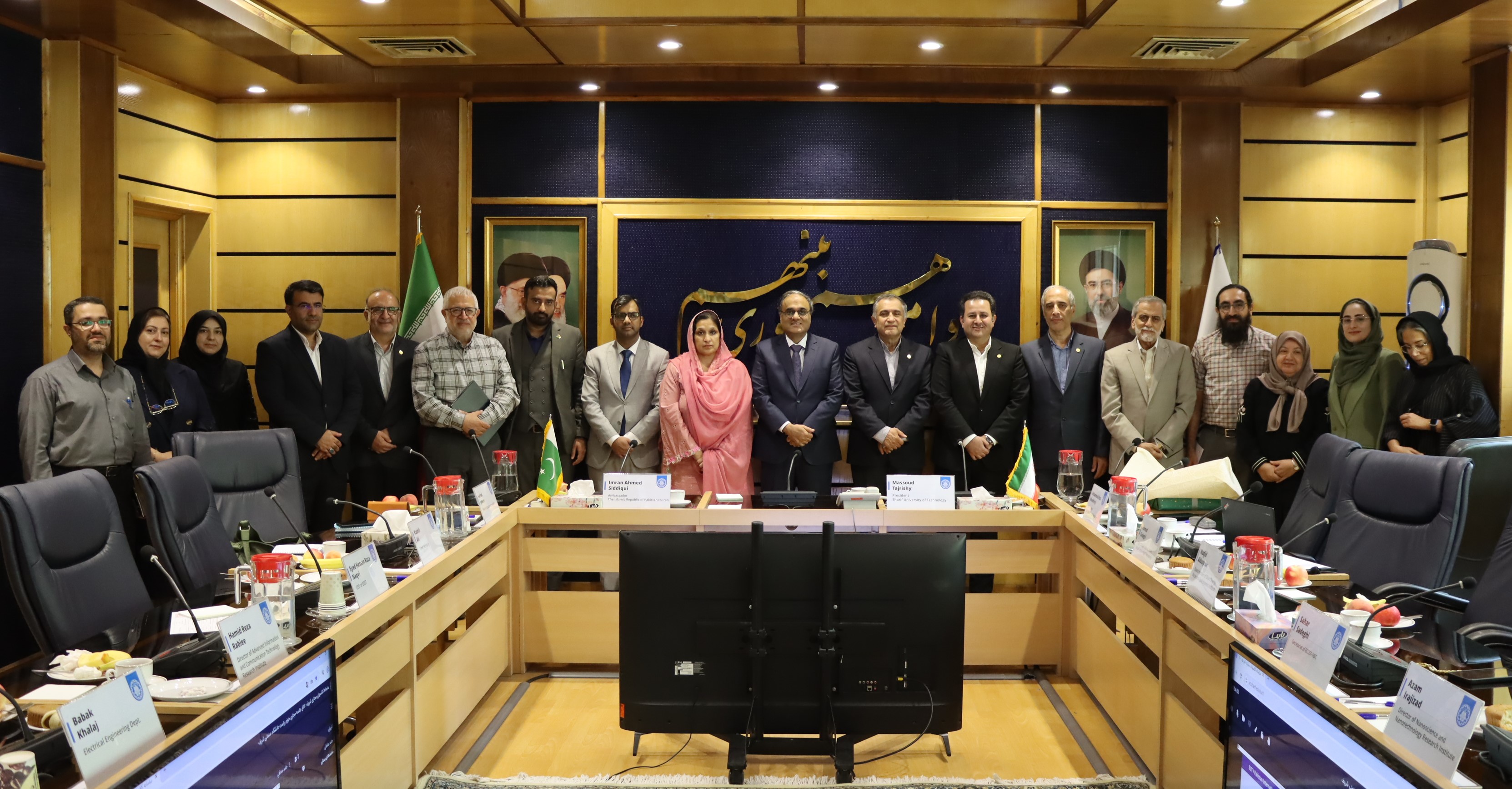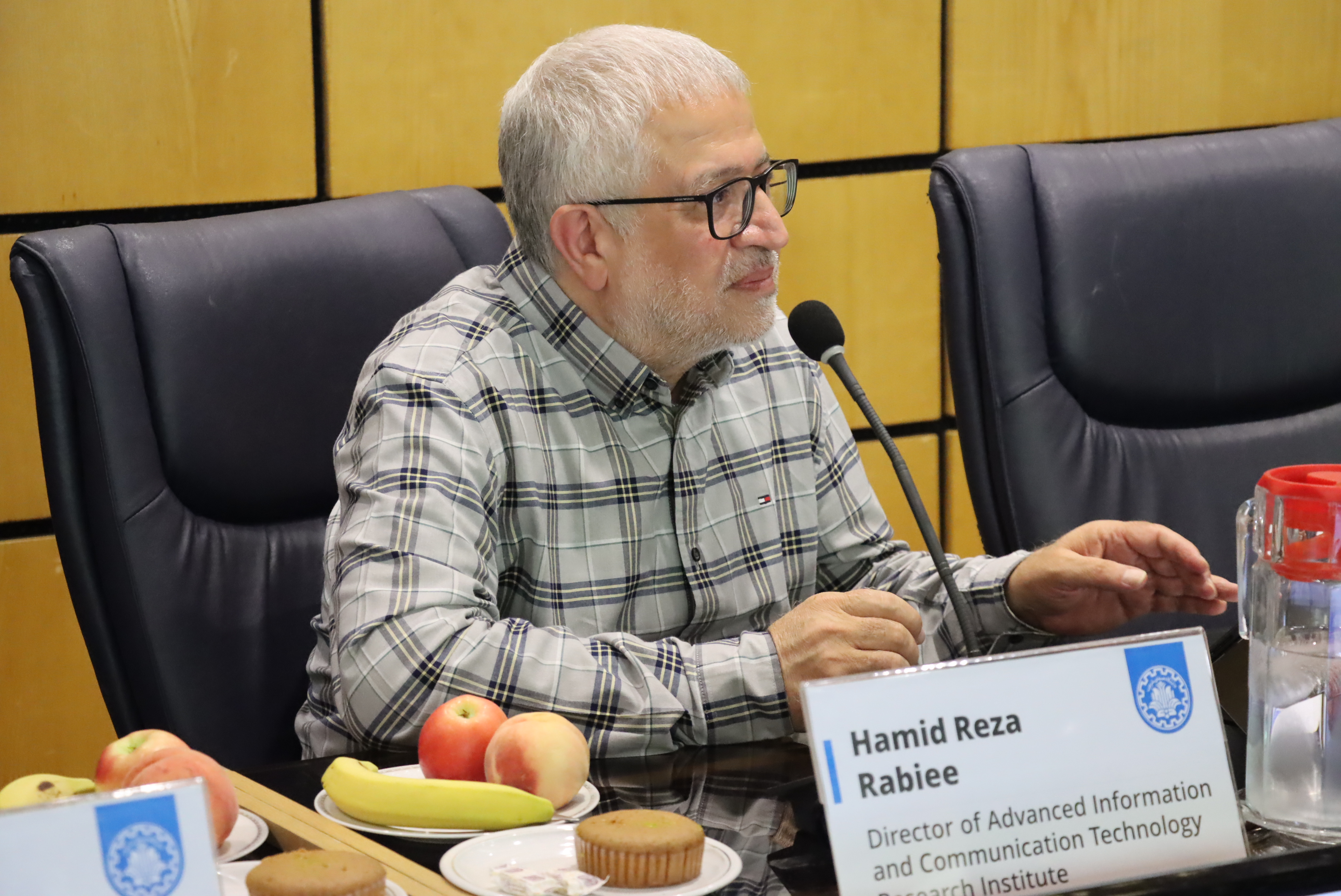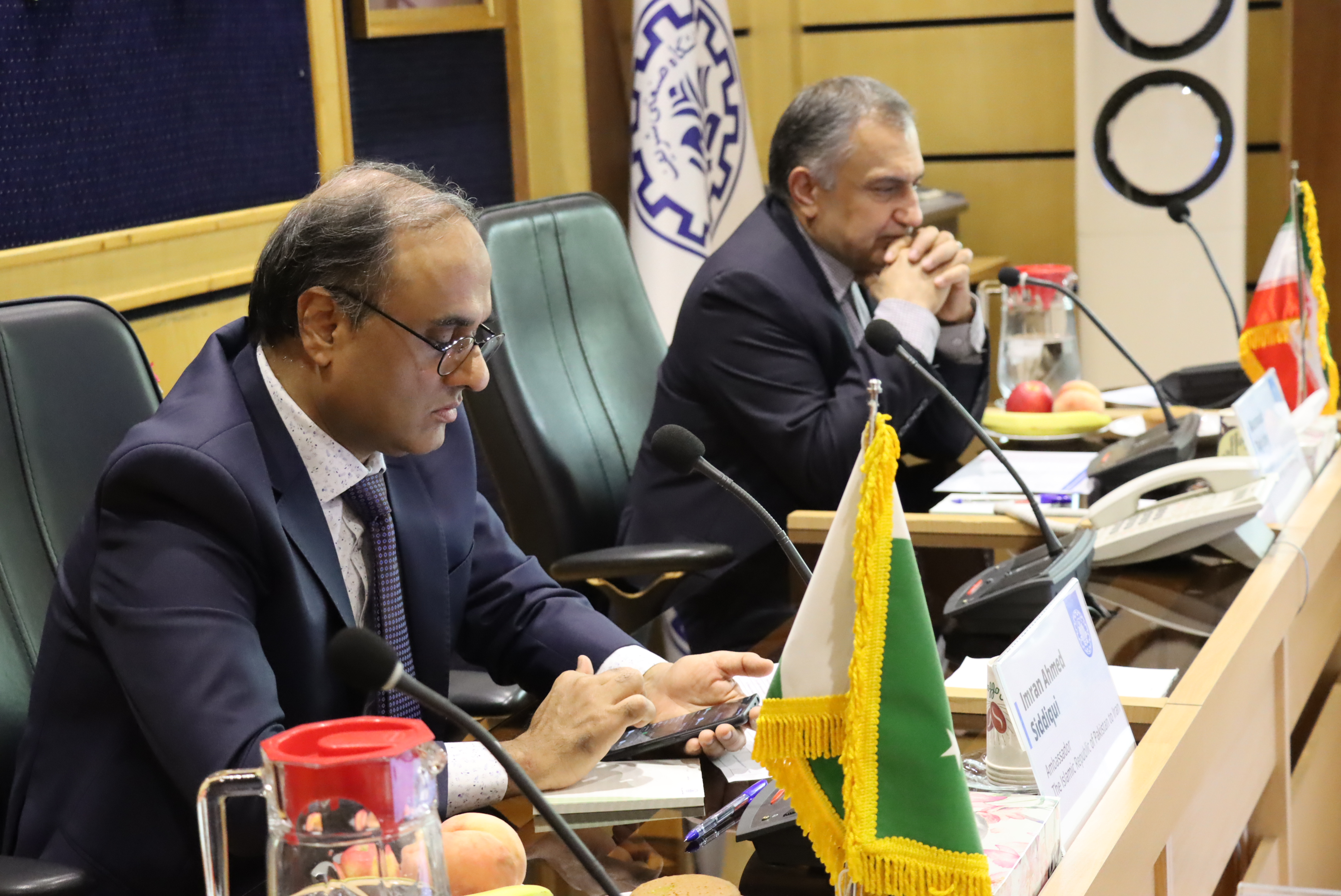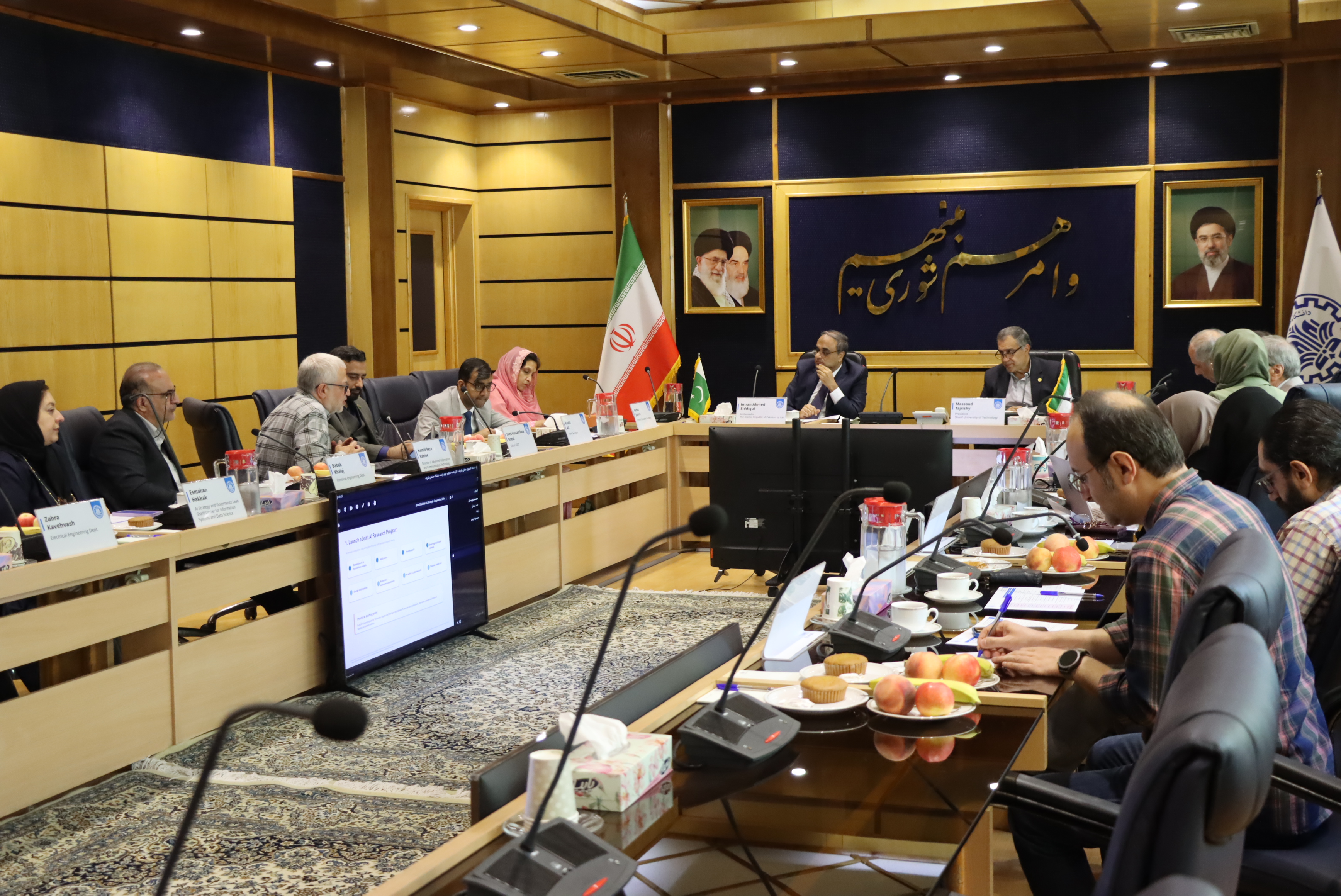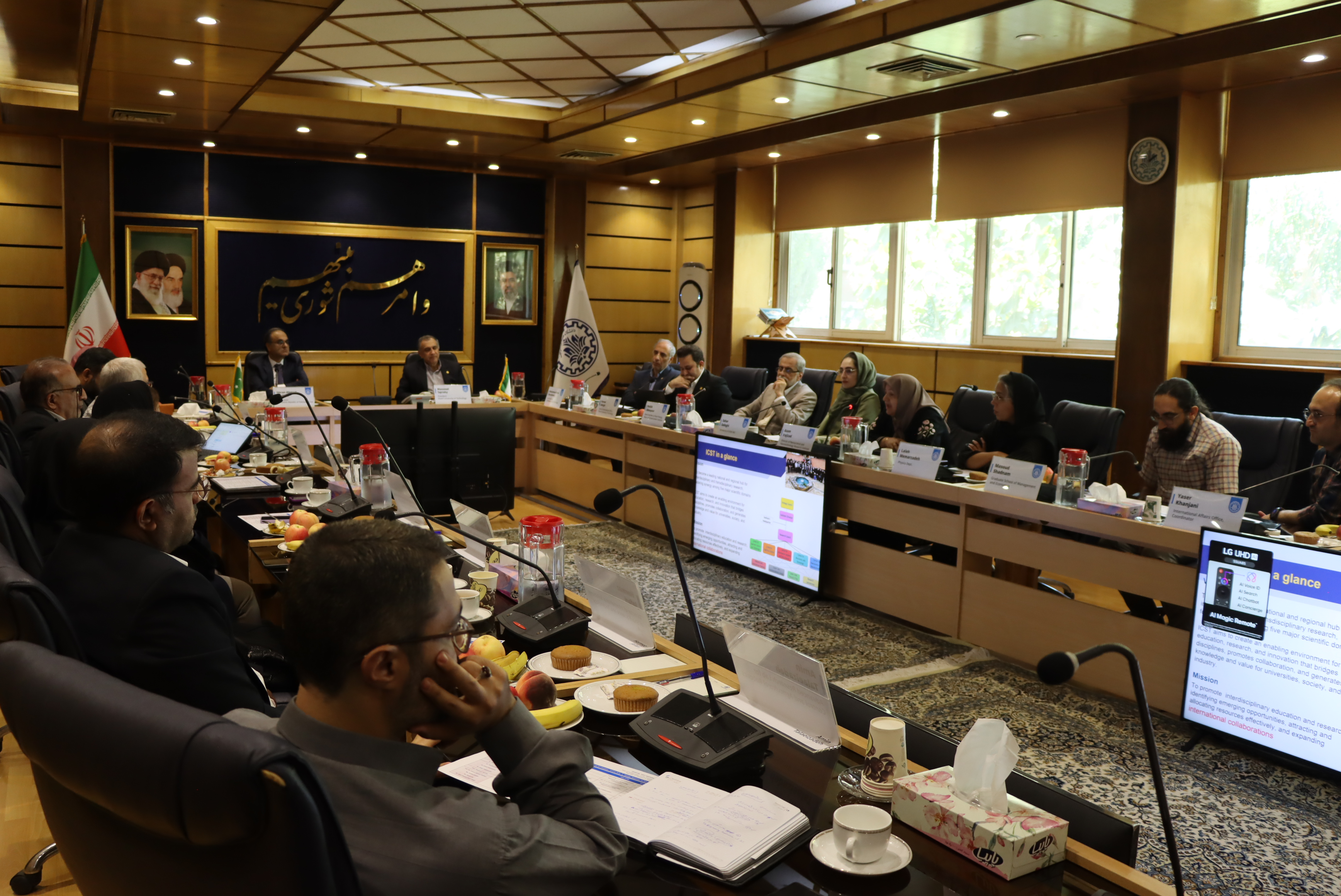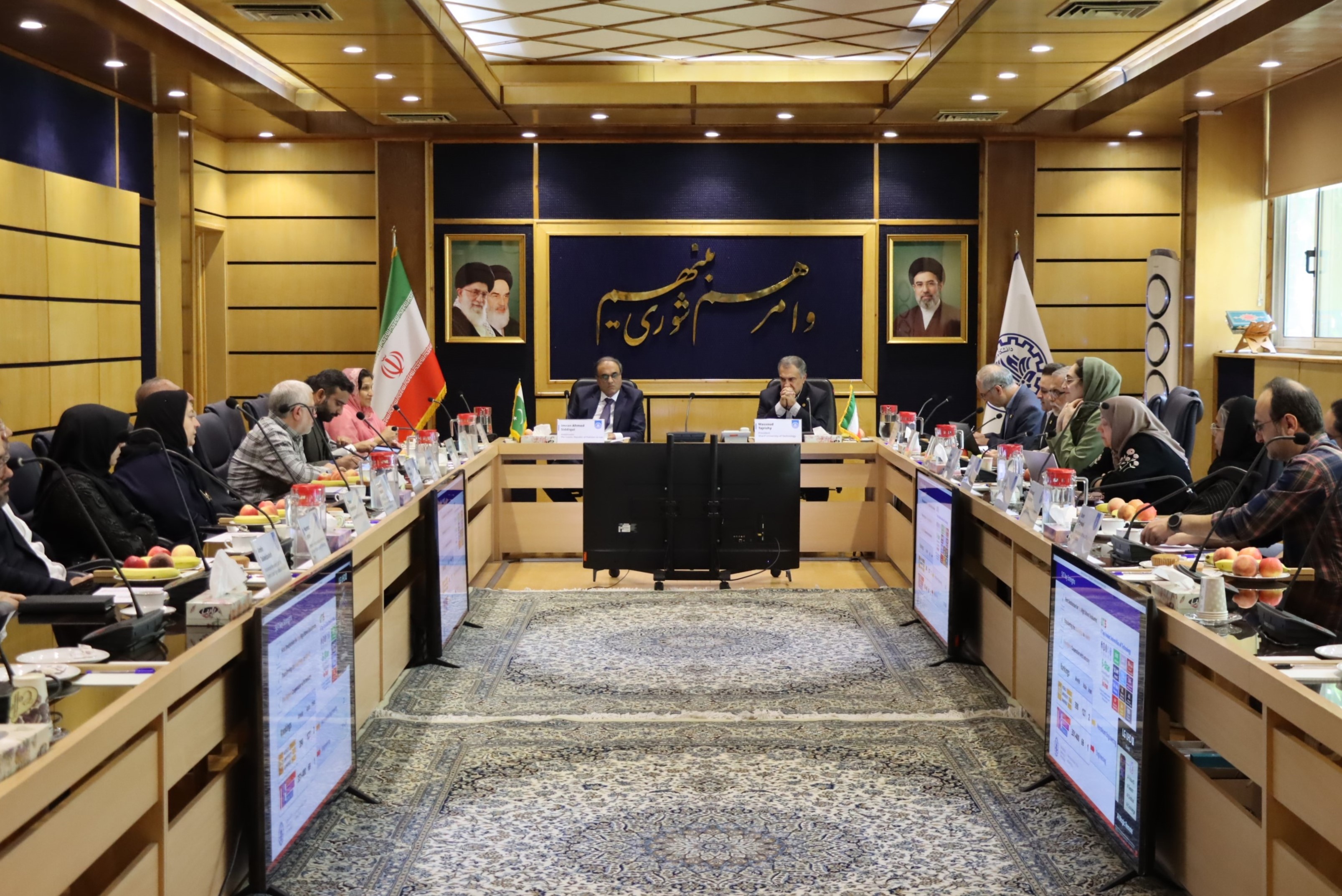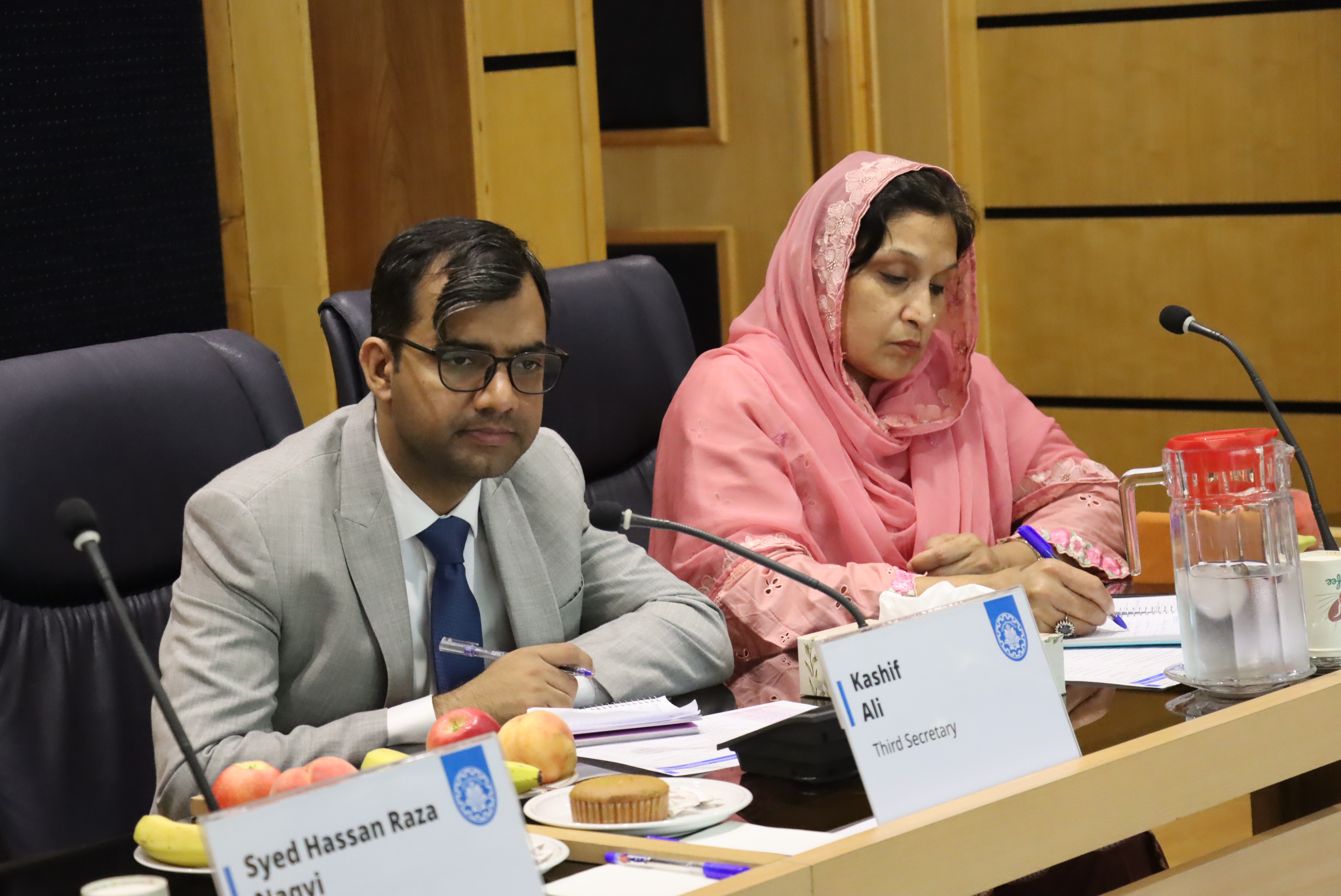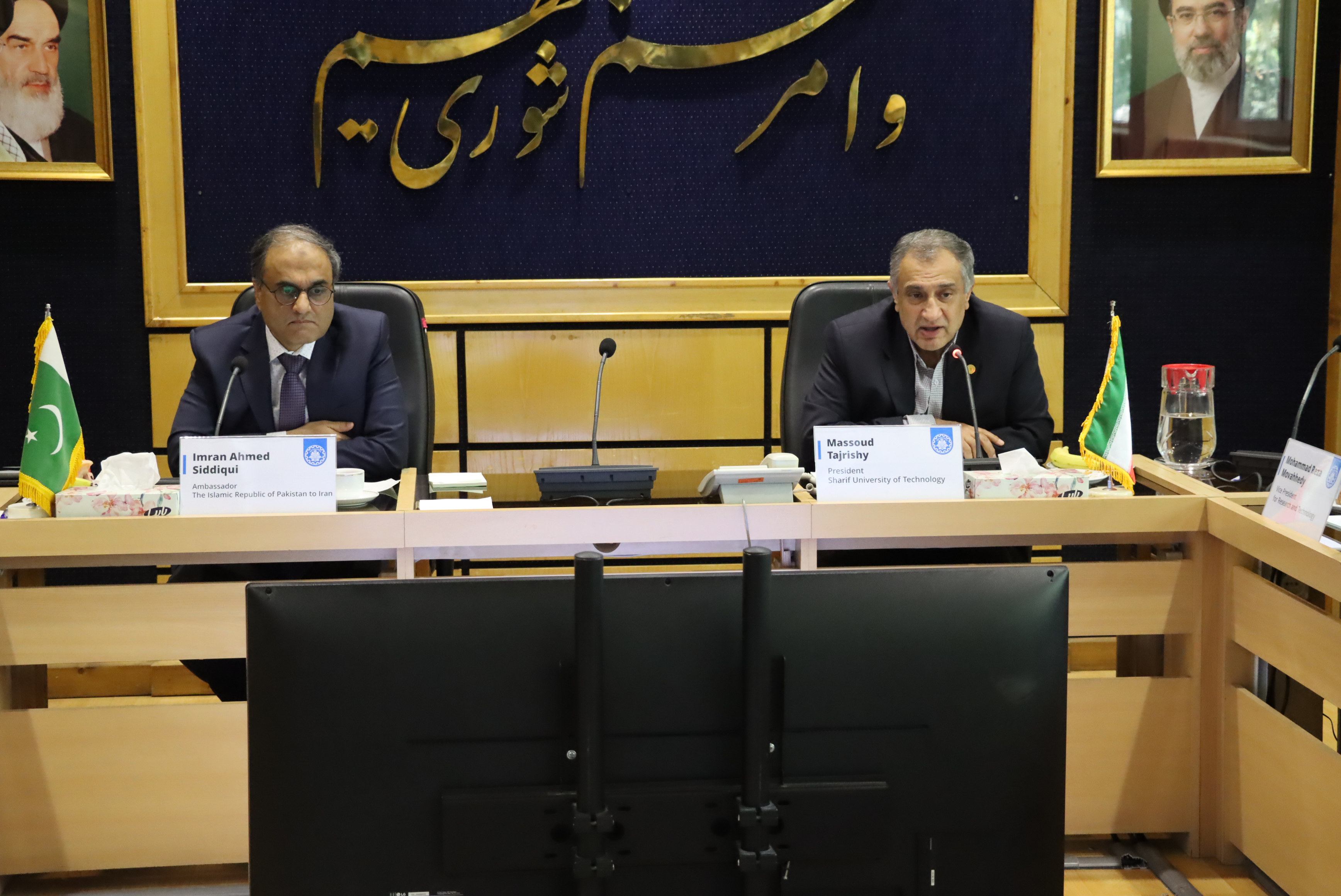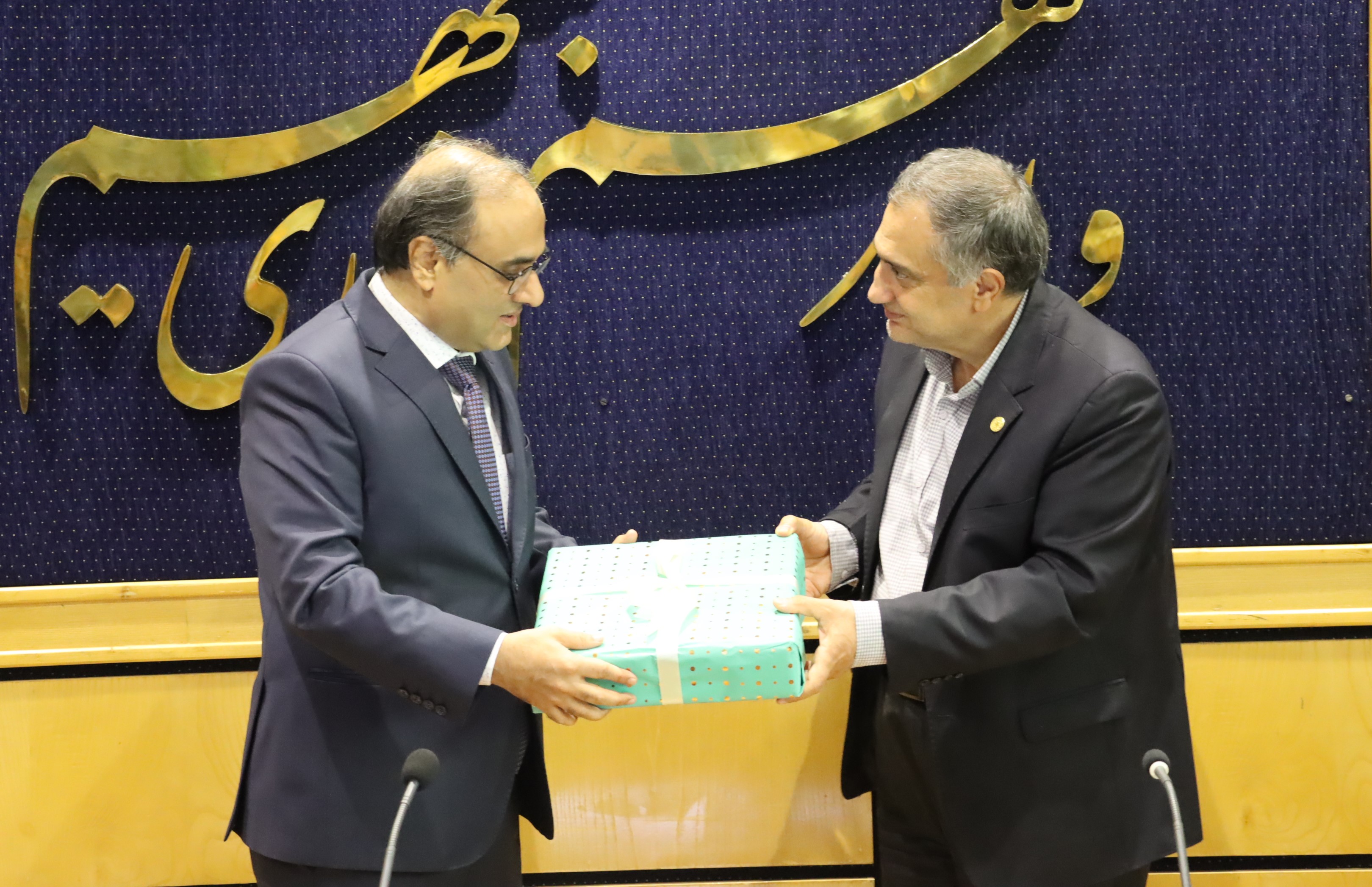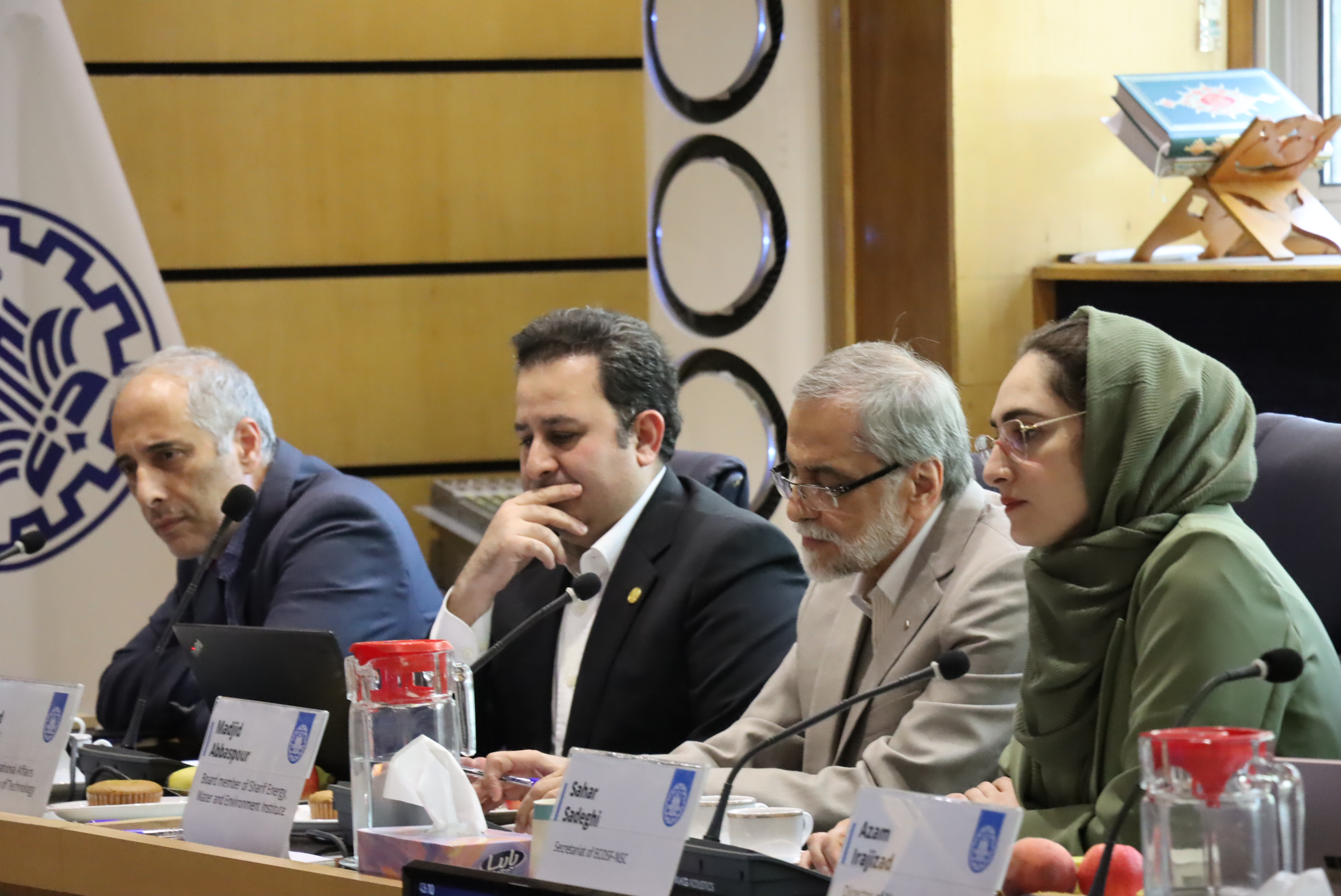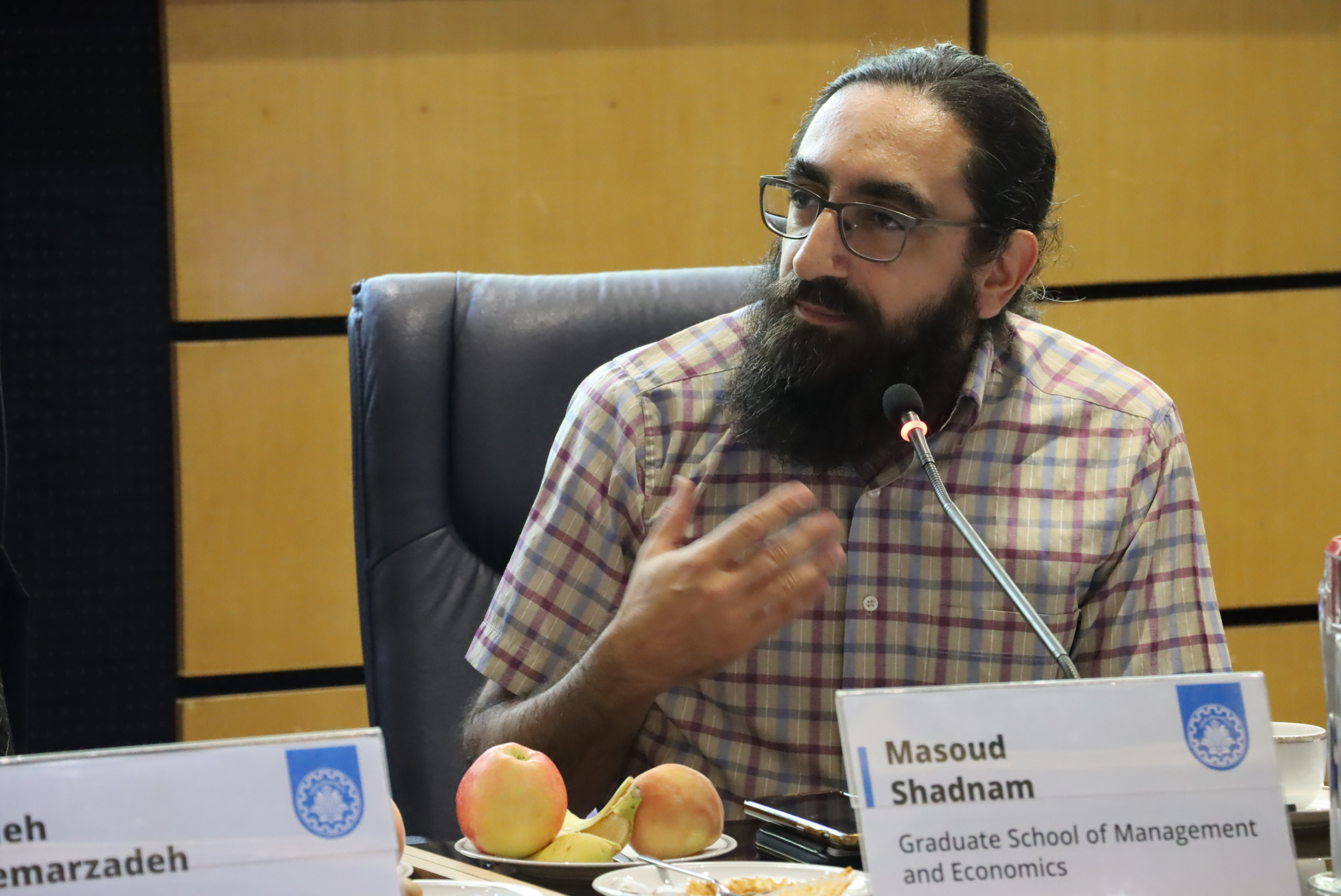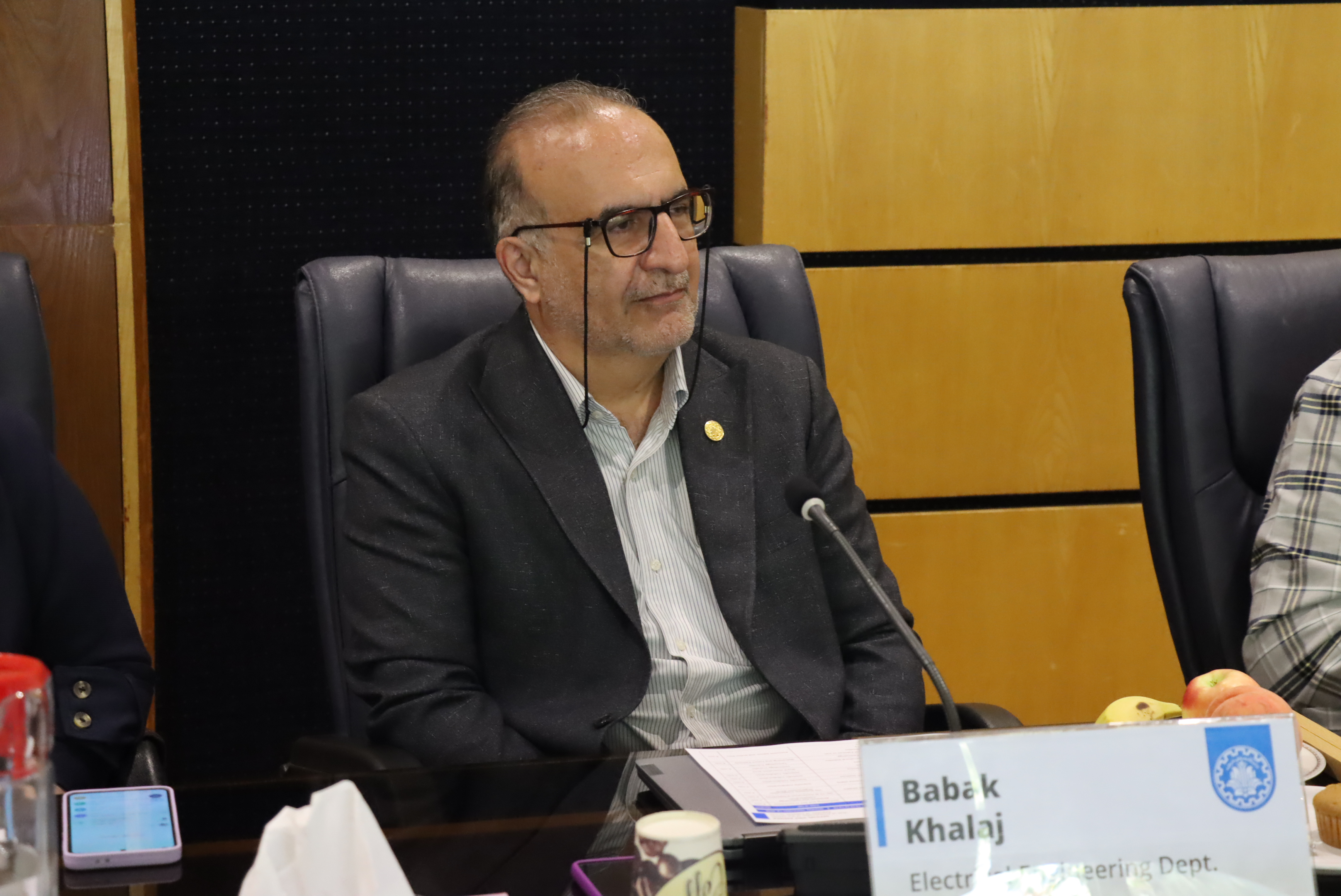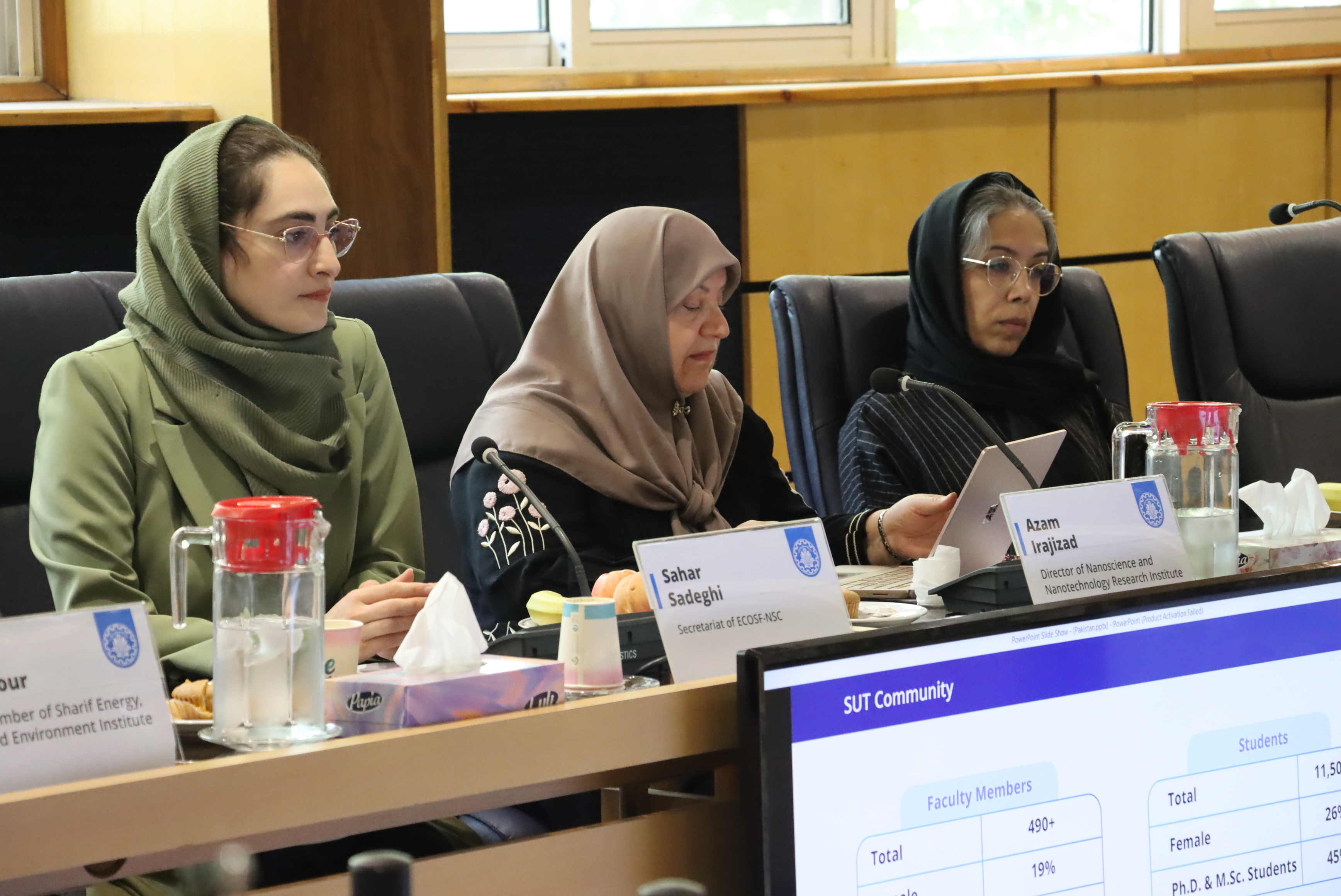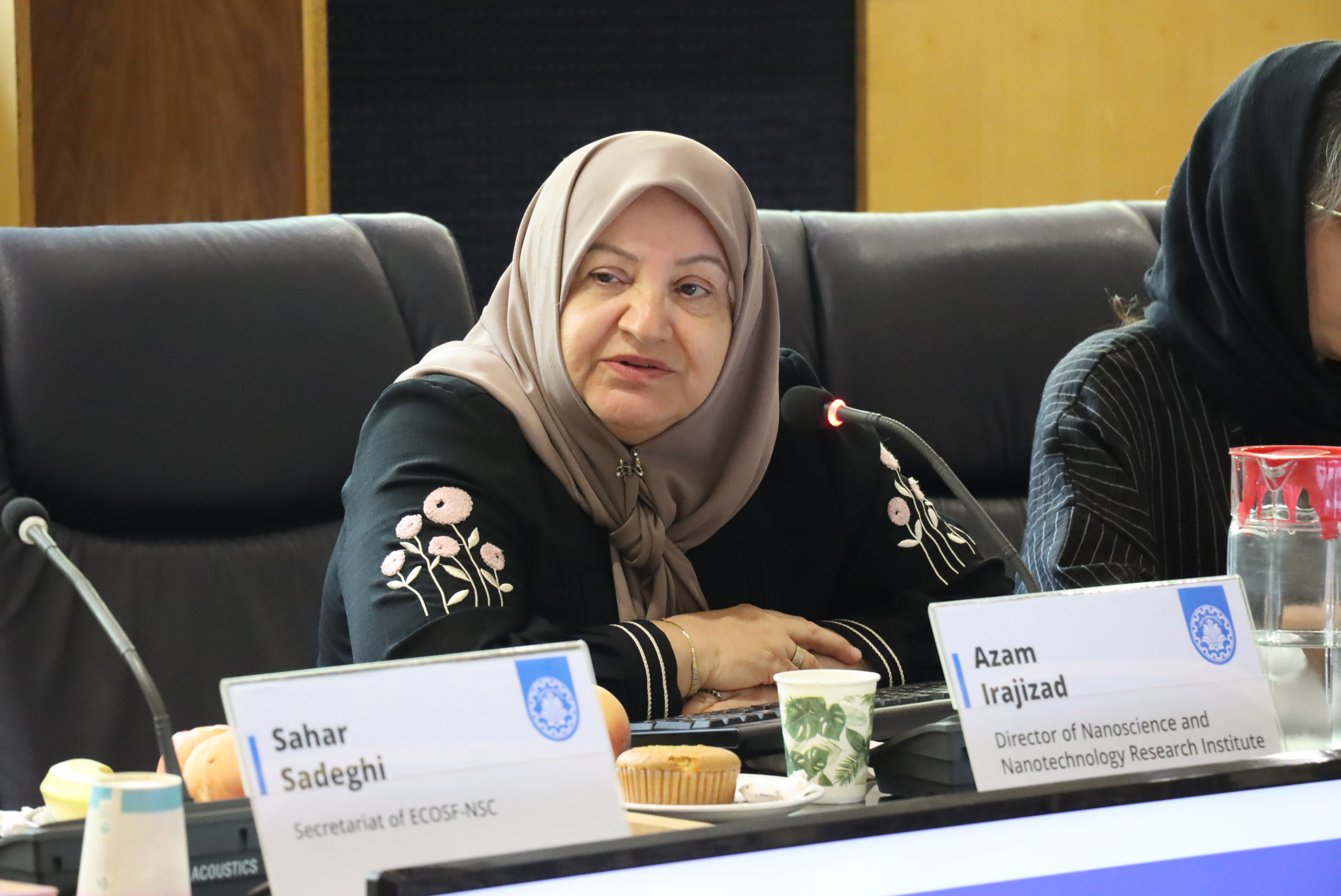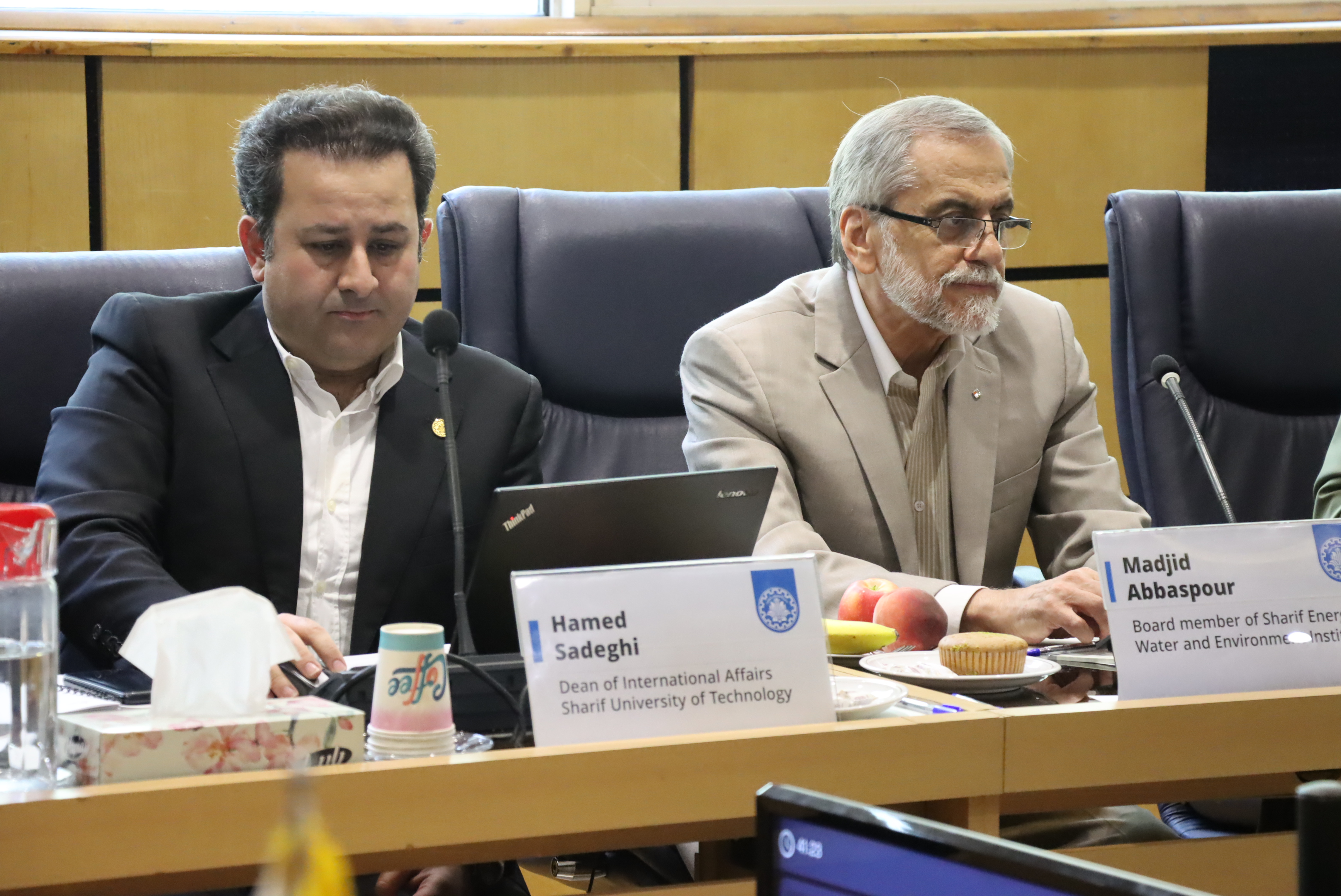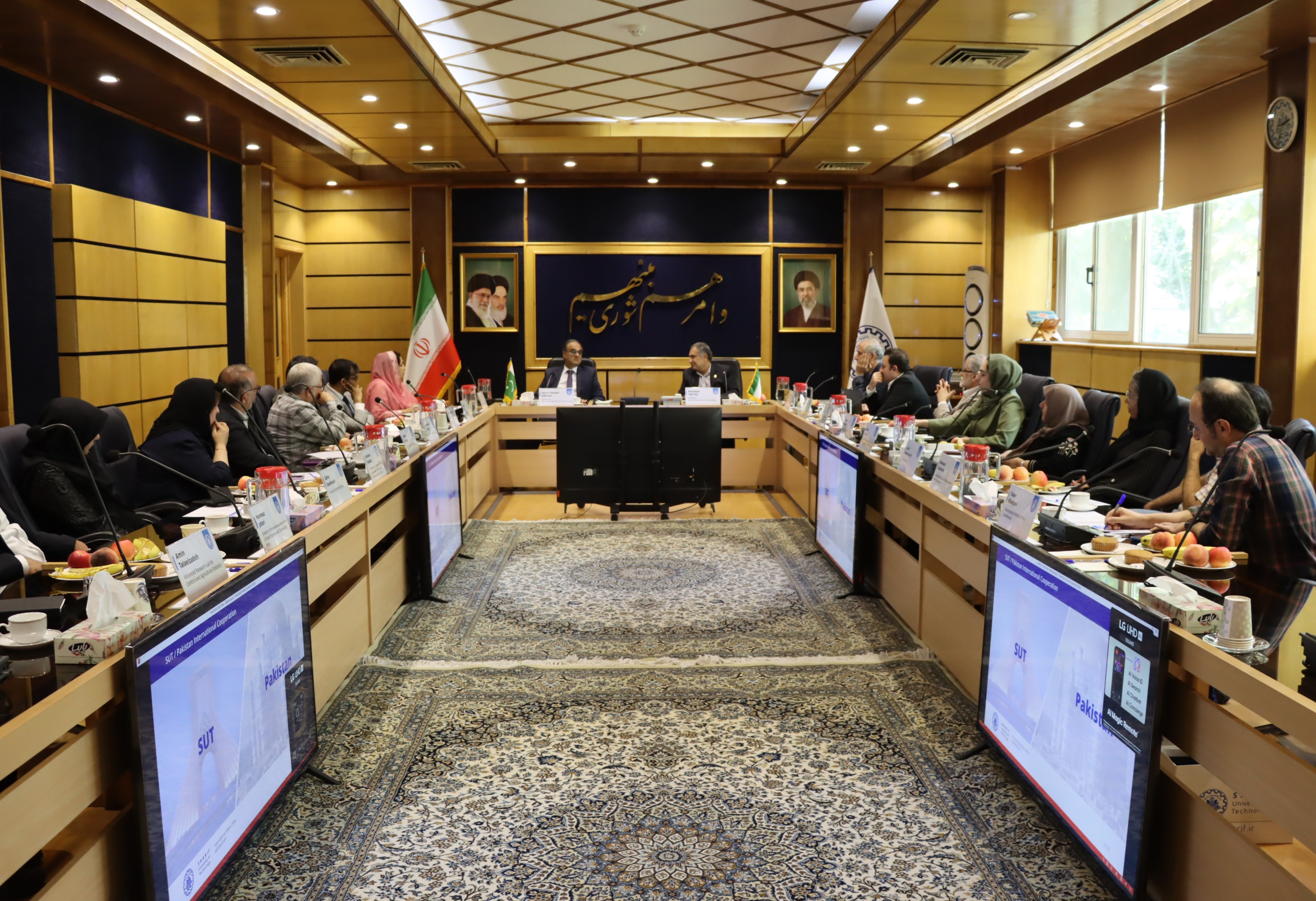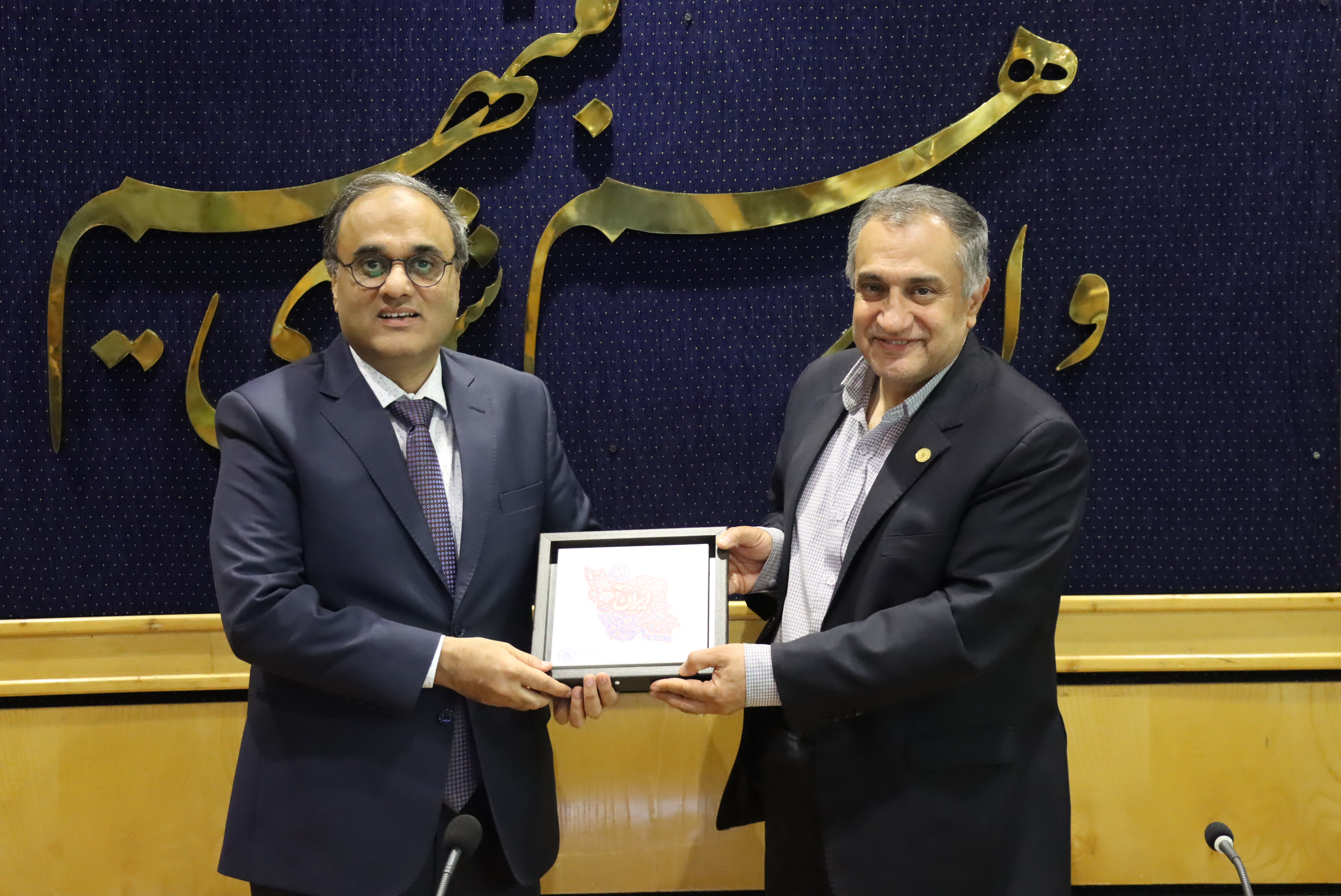
H.E. Mr. Imran Ahmed Siddiqui, Ambassador of the Islamic Republic of Pakistan to Iran, accompanied by a delegation from the Embassy of Pakistan, visited Sharif University of Technology on Monday, September 14, to learn about the university’s educational, research, industrial, and technological capabilities and achievements.
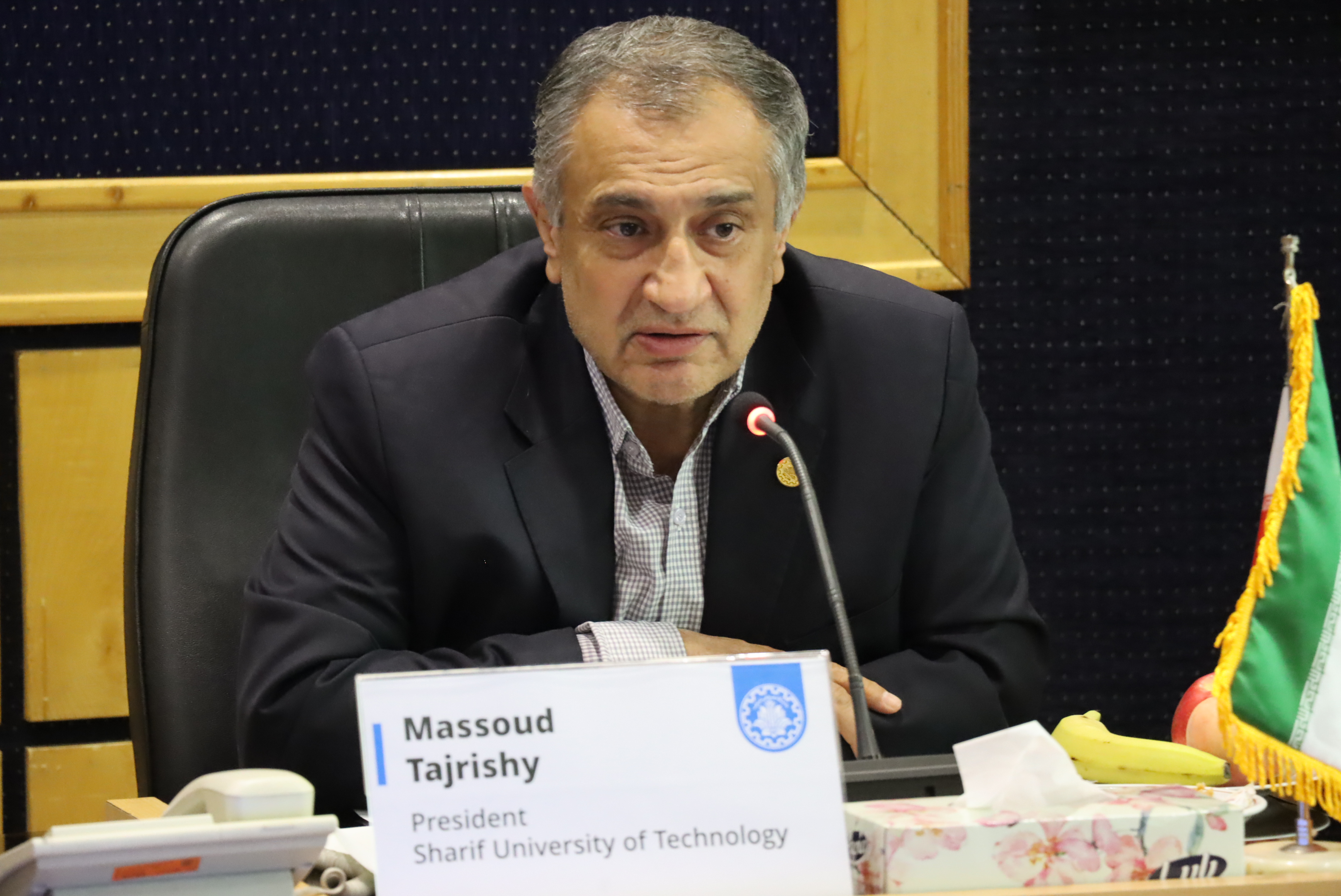
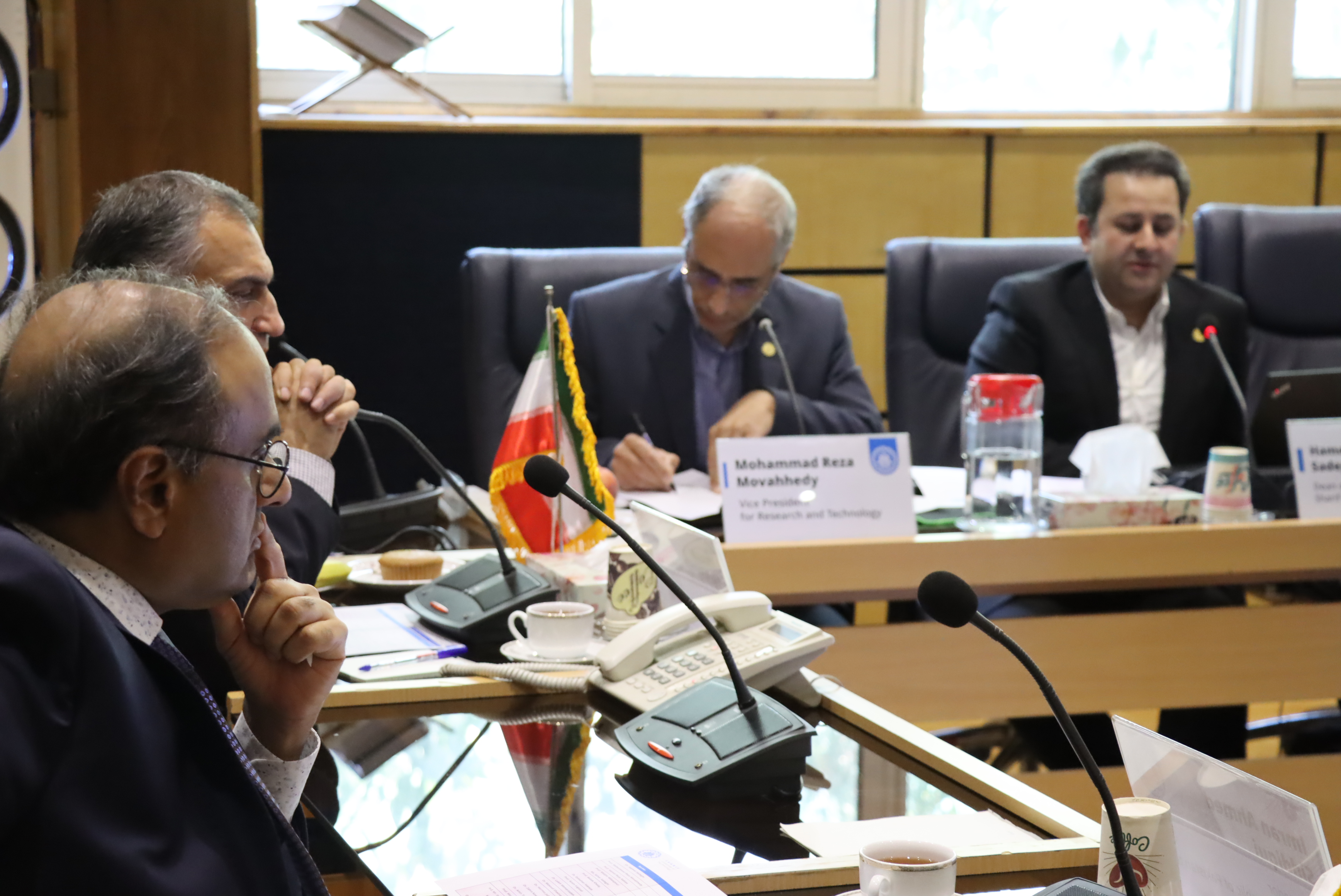
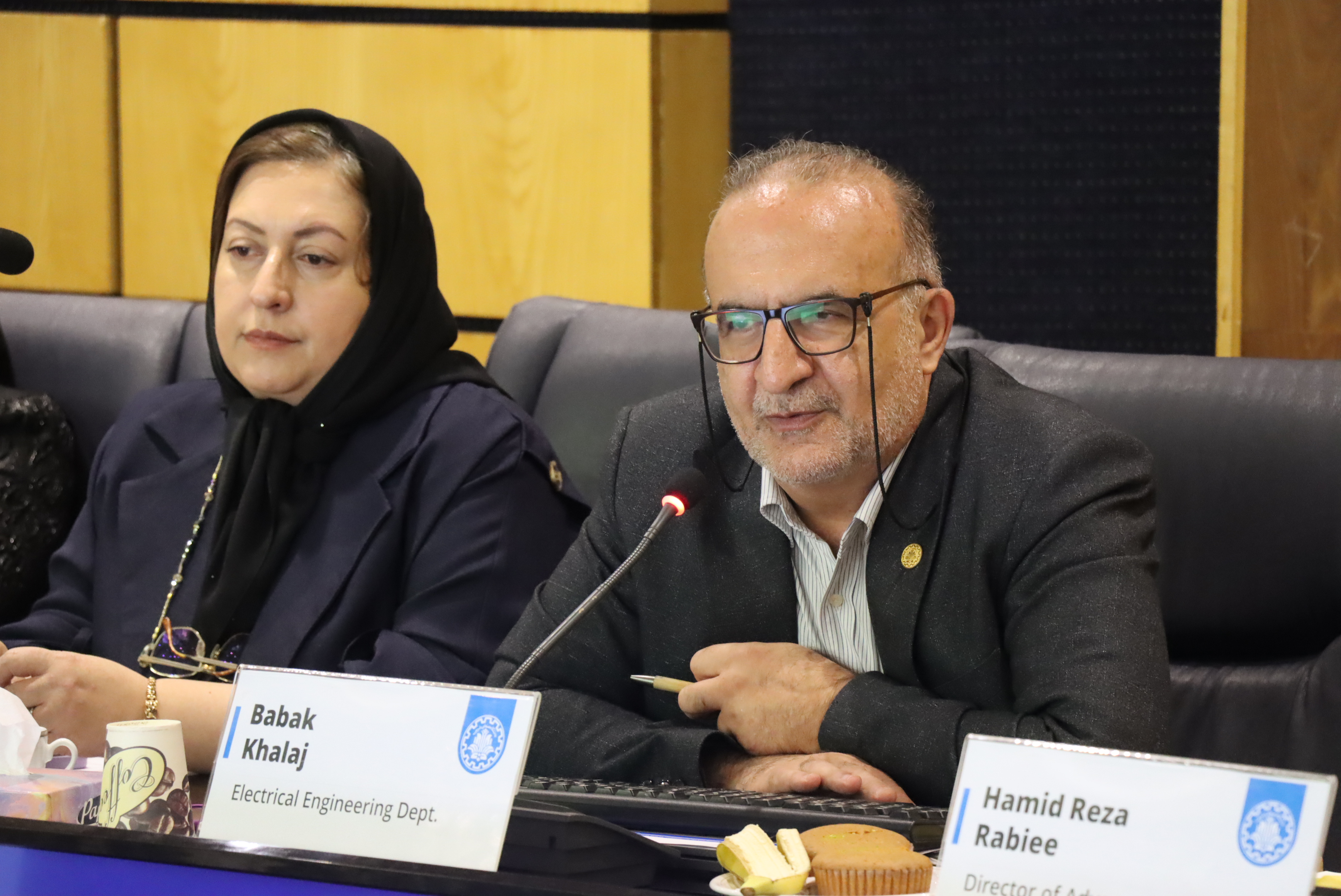
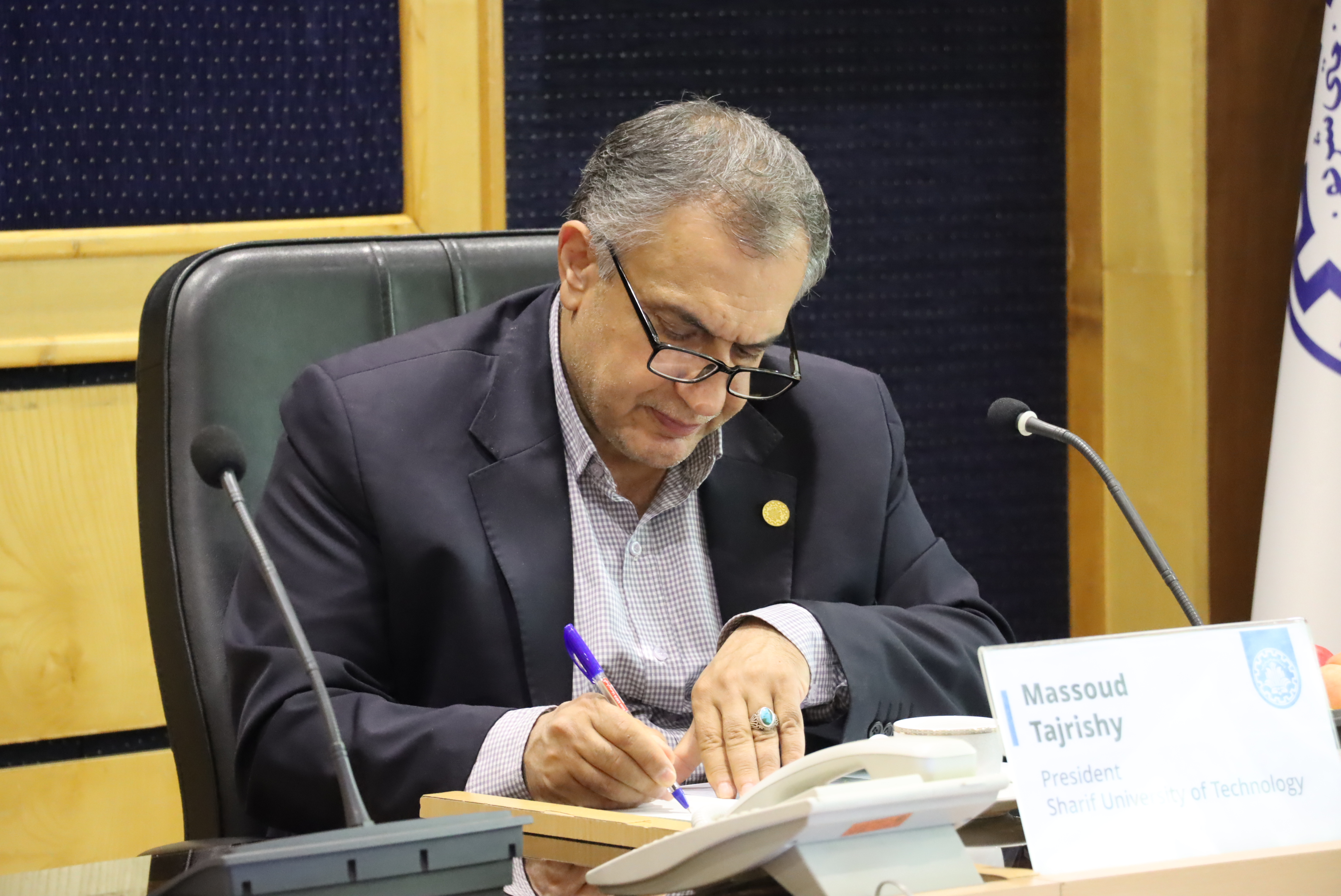
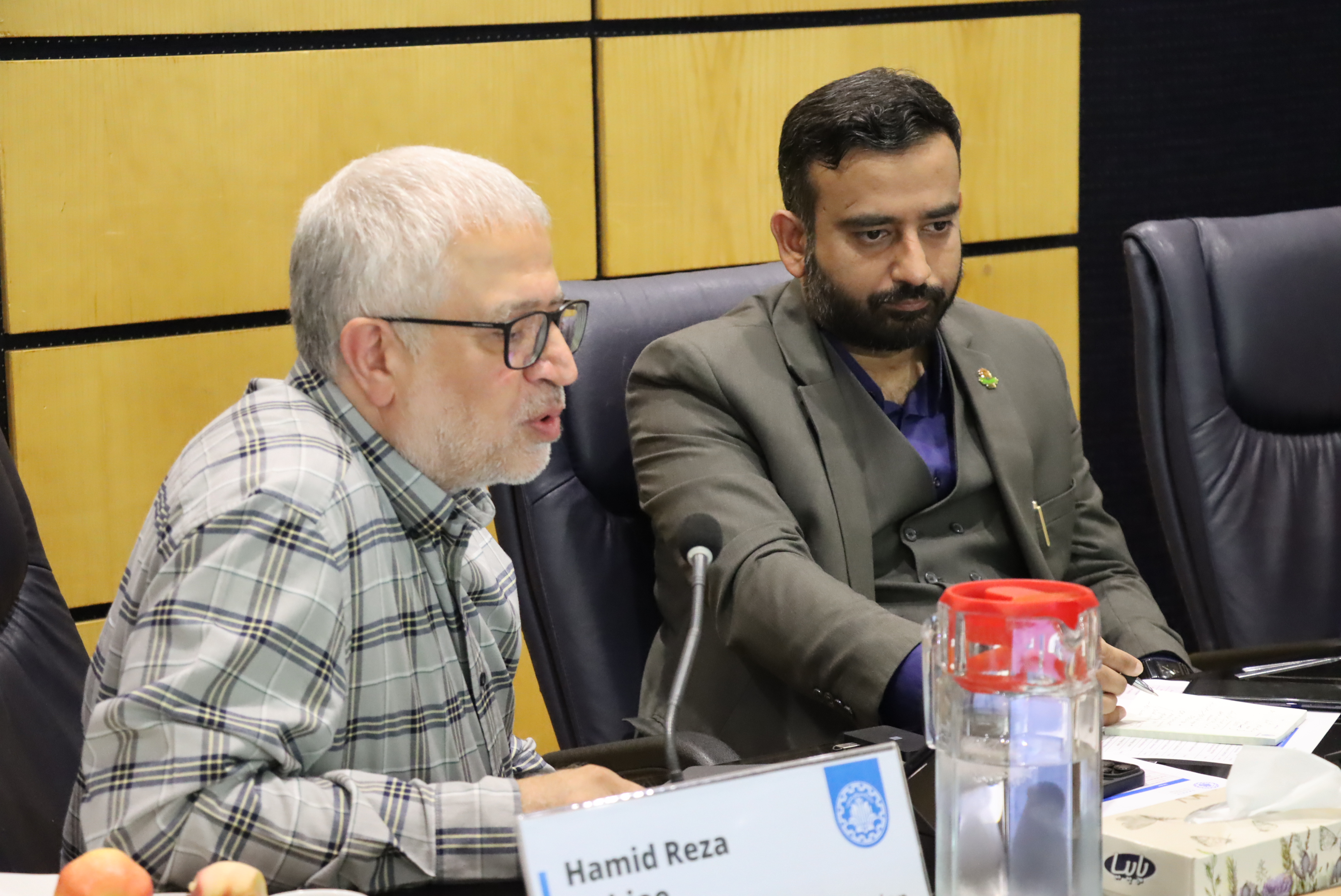
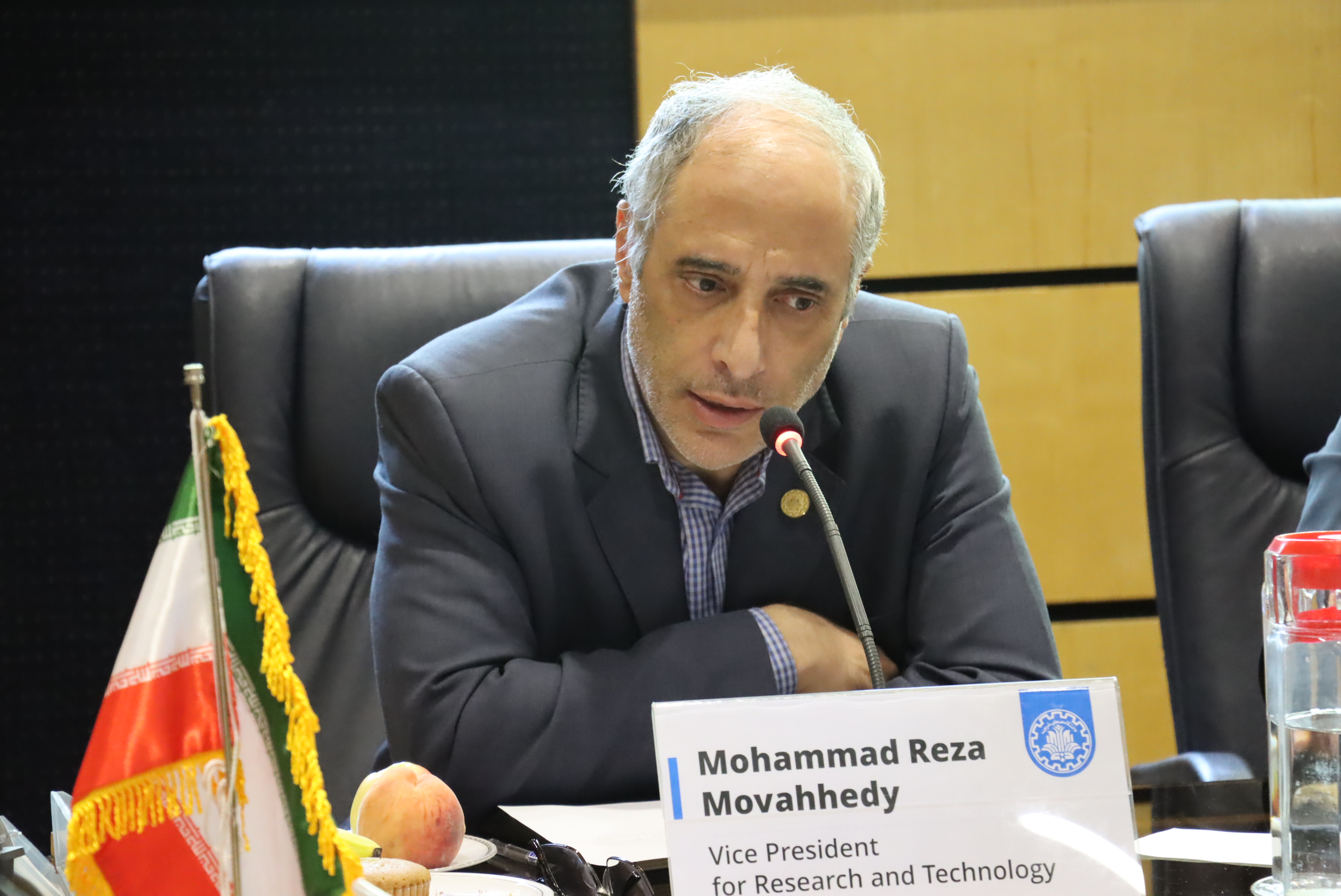
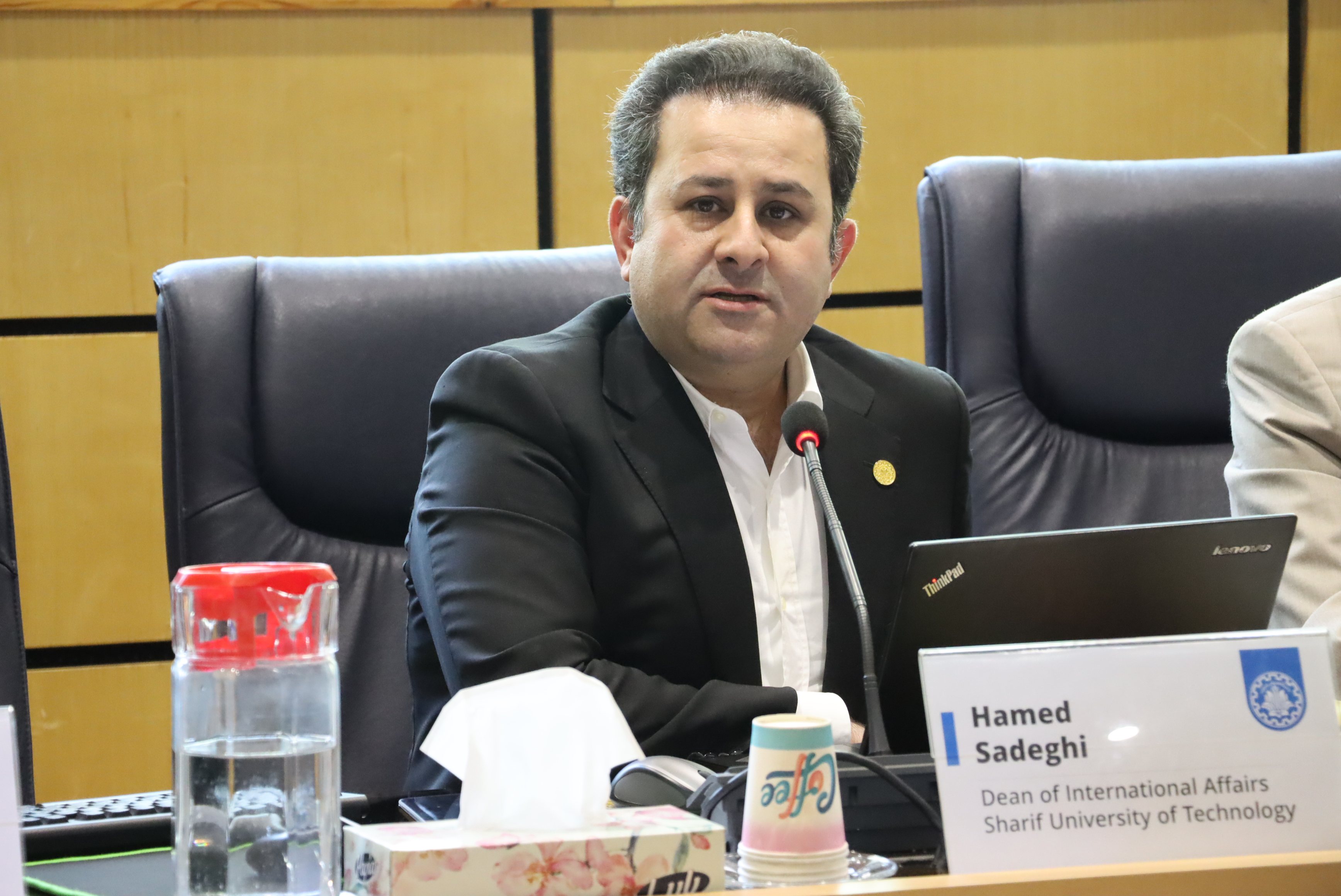
The meeting was attended by Prof. Massoud Tajrishy, President of Sharif University of Technology; Prof. Mohammad Reza Movahedi, Vice-President for Research and Technology; Dr. Hamed Sadeghi, Dean of International Affairs; and a number of faculty members and directors of the university’s research centers.
During the meeting, the scientific and research capabilities of Sharif University of Technology were introduced, and areas of potential cooperation between Iran and Pakistan, including artificial intelligence, energy, water, and the environment, were explored. A report was also presented on ongoing scientific and research collaborations between Sharif faculty members and researchers and universities and scientific institutions in Pakistan.
The university’s potential for cooperation in artificial intelligence, as well as activities related to the OIC-15 AI Declaration and COMSTECH, was subsequently outlined. Discussions also addressed the role of Sharif University of Technology in developing regional scientific cooperation networks and organizing joint specialized programs and meetings.
A report was further presented on the scientific and research collaborations of the Department of Electrical Engineering and the Sharif Center for Information Systems and Data Science (ISDS) with universities and scientific institutions in Pakistan, including the National University of Sciences and Technology (NUST), the National Centre for Artificial Intelligence of Pakistan, and Quaid-i-Azam University. Faculty members of Sharif University of Technology also introduced their respective areas of potential cooperation with Pakistani scientific institutions.
Prof. Massoud Tajrishy, President of Sharif University of Technology, highlighted the historical, civilizational, and cultural ties between Iran and Pakistan and emphasized the potential of these relations to advance scientific and technological cooperation. He stated that the deep-rooted civilizational, historical, cultural, and religious ties between the two friendly neighboring countries have contributed to the establishment, growth, and development of joint activities between Iran and Pakistan across various fields.
Referring to the university’s successful experience in engaging with universities worldwide through the consortium of the country’s five leading industrial universities (UT5), Prof. Tajrishy expressed Sharif University of Technology’s readiness to expand scientific and technological cooperation with leading Pakistani institutions in education, research, industry collaboration, and technology transfer. He also welcomed the participation of Pakistani researchers and faculty members, as well as talented Pakistani students, at Sharif University of Technology, describing their presence as an opportunity to strengthen these interactions.
The Ambassador of Pakistan, in turn, expressed his appreciation for the hospitality extended by Sharif University of Technology. He welcomed the breadth of scientific cooperation between researchers from the two countries and emphasized the importance of strengthening joint cooperation networks, implementing existing memoranda of understanding, removing barriers to collaboration, and leveraging the capacities of scientific and technological institutions.
He also identified the establishment of joint scientific and research centers and the expansion of cooperation into fields beyond engineering, including management and economics, as significant areas of potential collaboration between the two countries.
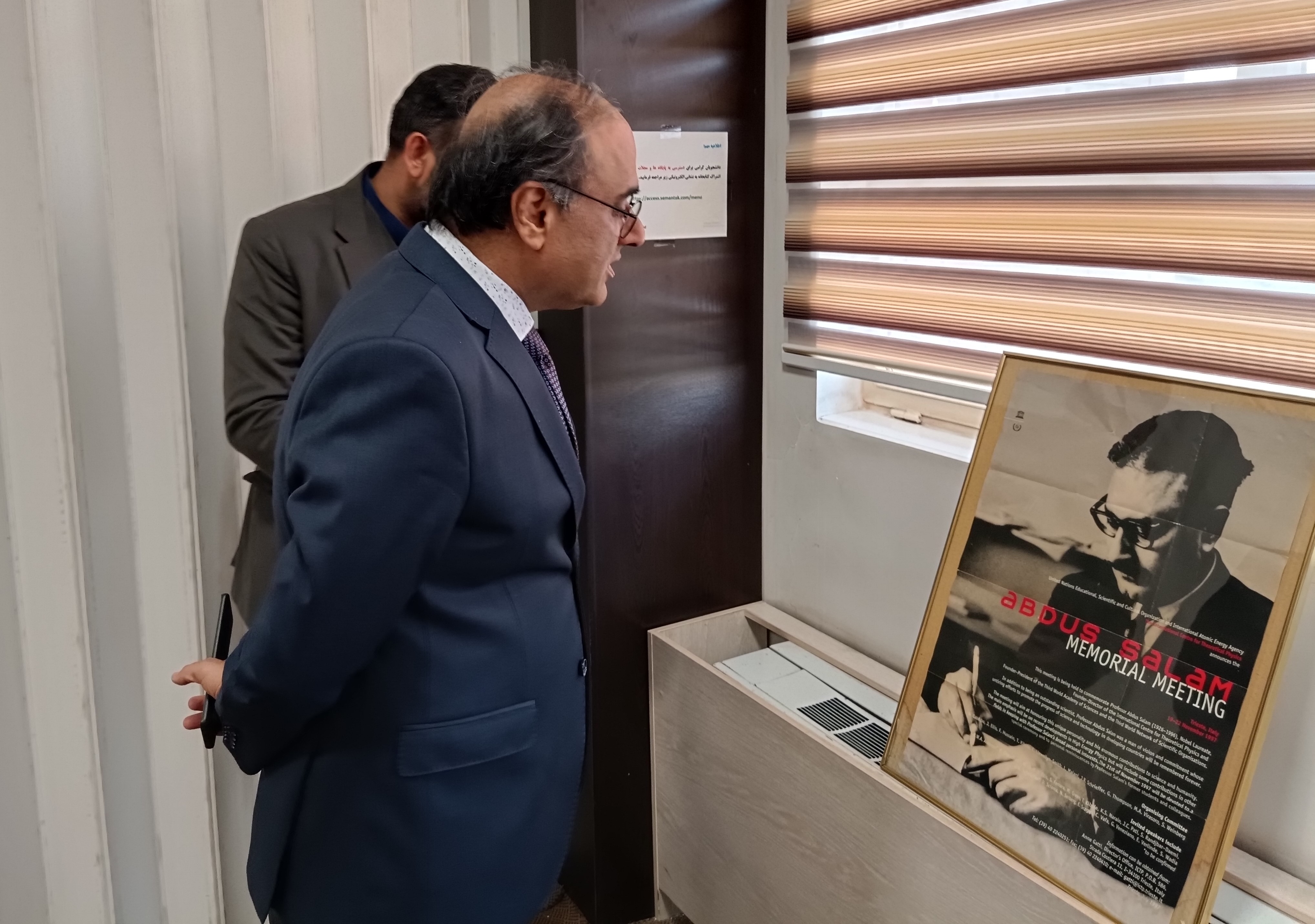
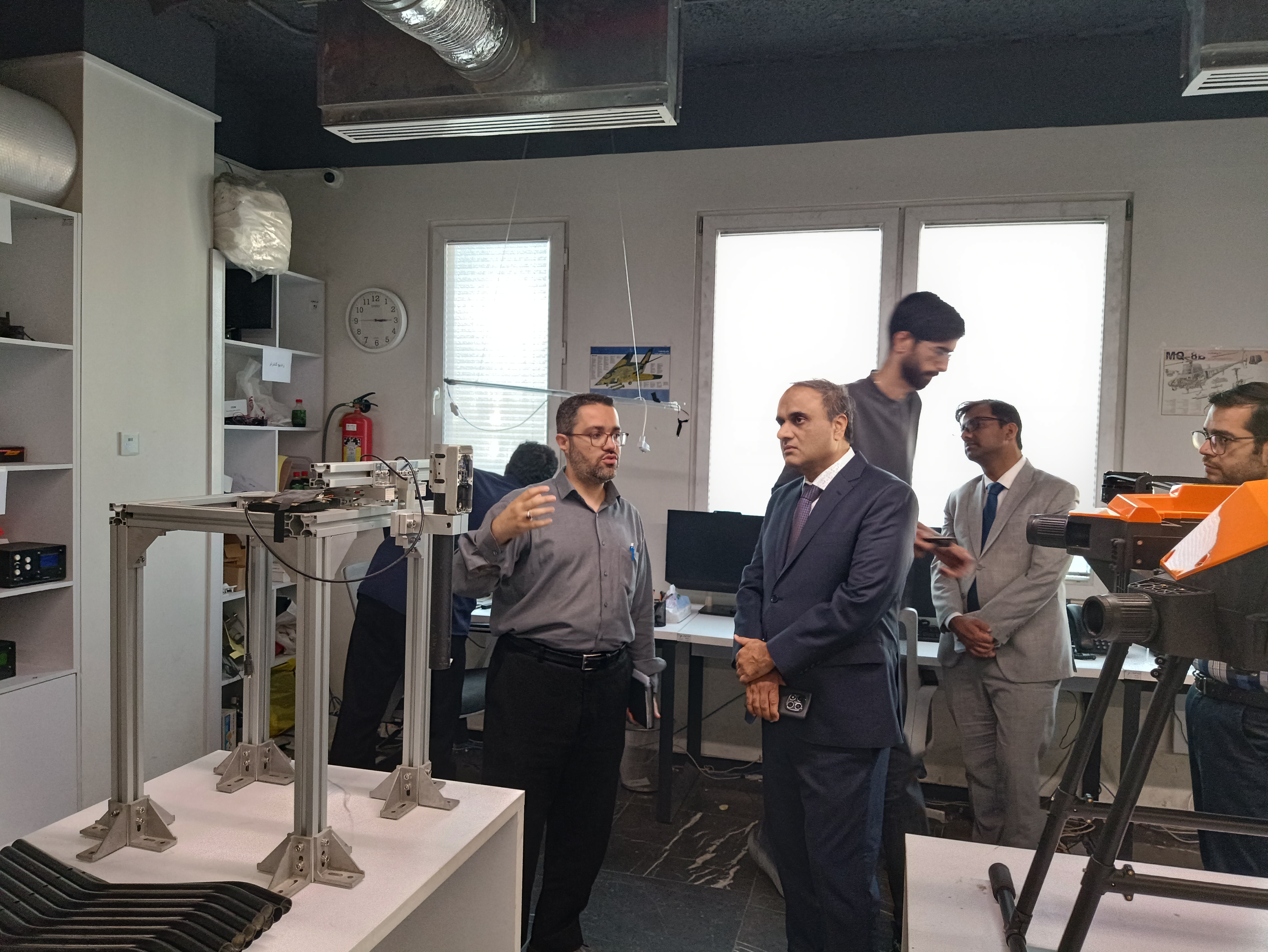
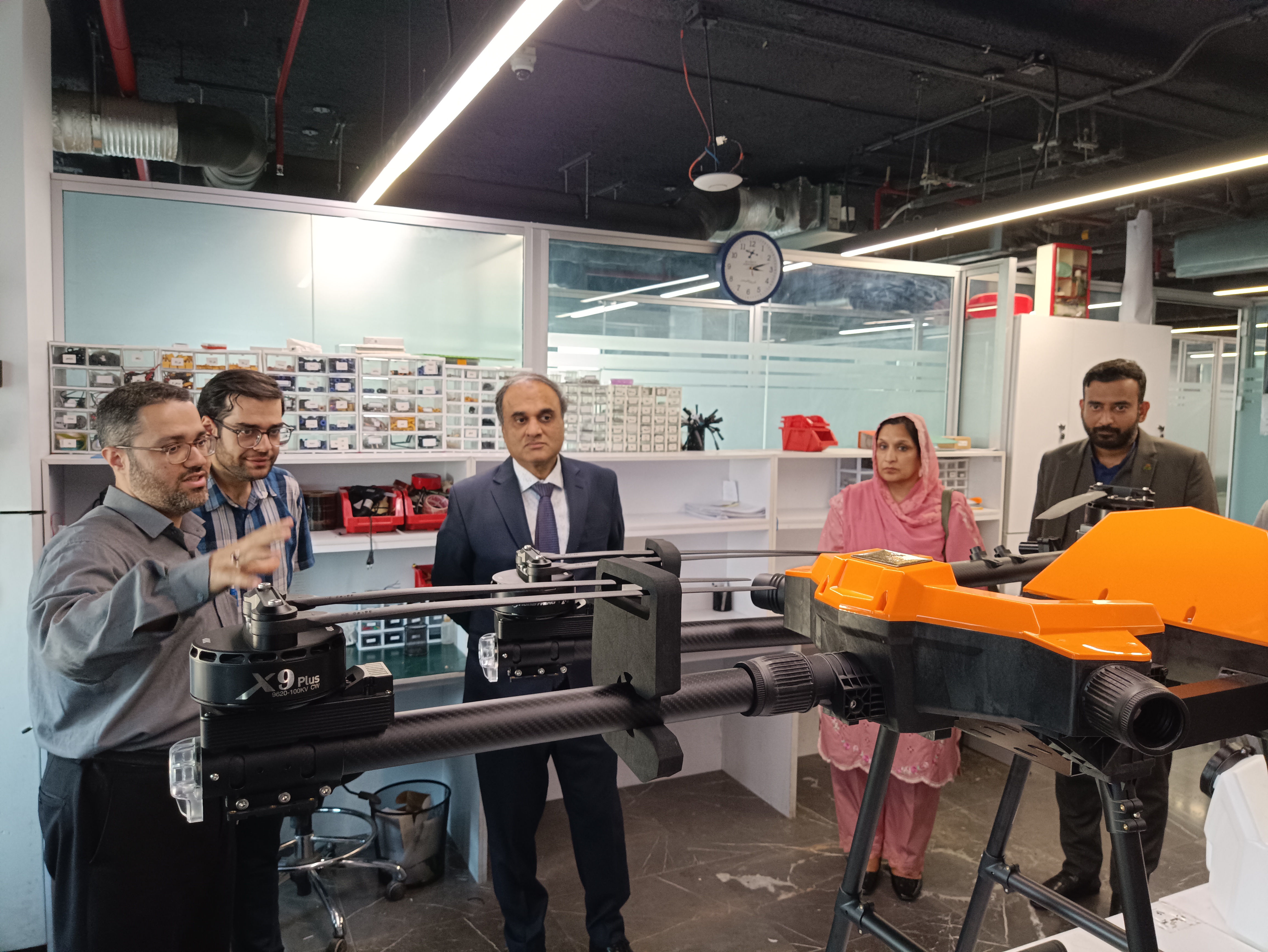
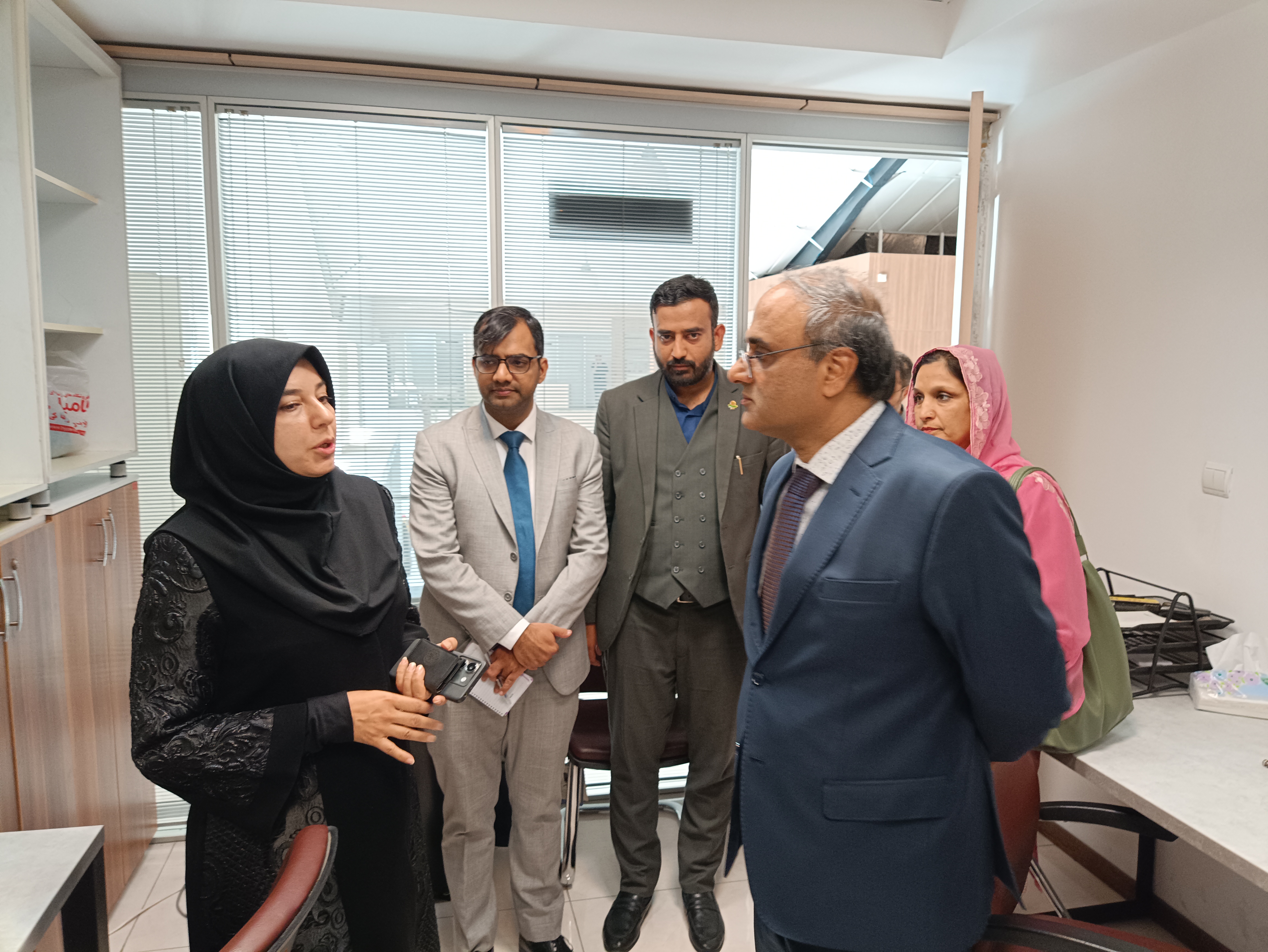
At the conclusion of the visit, the Pakistani delegation toured the Dar al-Salam Library of the Department of Physics, the Ultrasonic Imaging Technology Services Office, and Sharif Agricultural Robotics Technology Company. The delegation gained firsthand insight into part of the university’s technological and innovative capabilities and those of the Sharif Innovation Area.